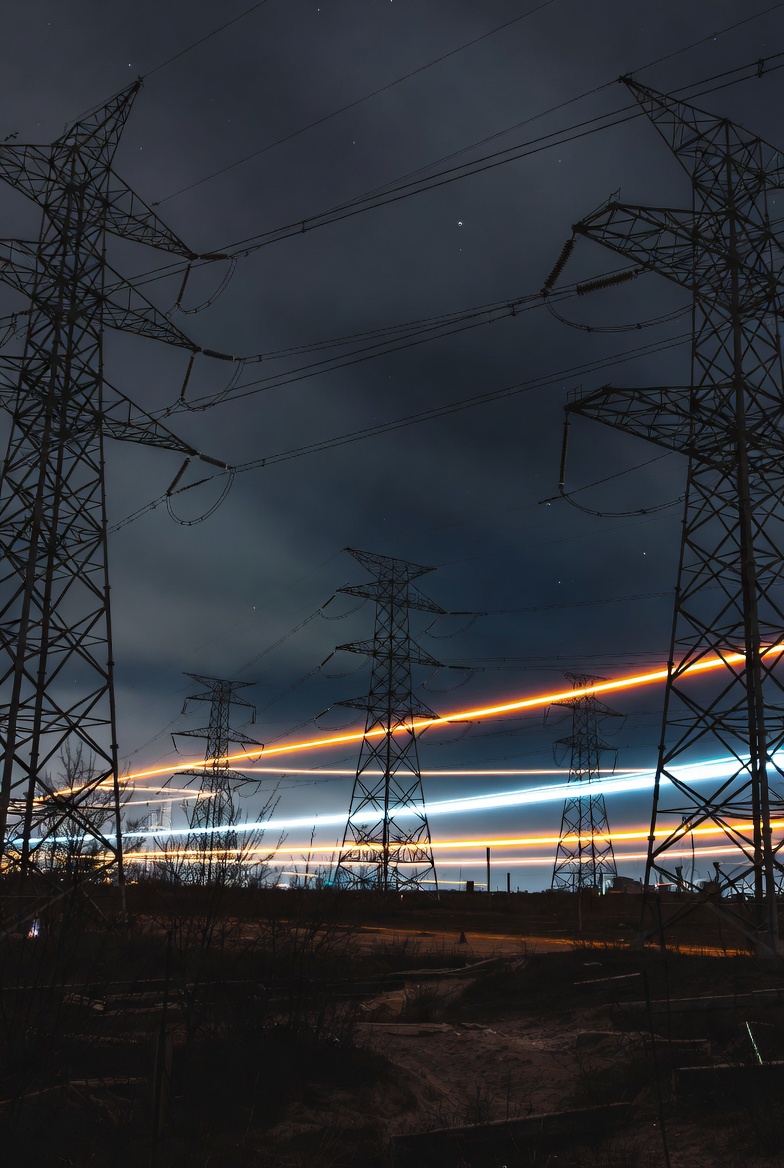
Renewable energy is adding capacity at record pace—585 gigawatts installed globally in 2024, with 793 GW forecast for 2025. Renewables now supply roughly 40% of global electricity. Yet this surge runs straight into infrastructure constraints that take years to resolve: grid interconnection queues averaging 4-7 years, transformer shortages approaching 30% deficits, and aging transmission infrastructure nearing end-of-life.
Meanwhile, demand is accelerating. U.S. data centers alone are adding 20-30 GW annually, with total data center power demand projected to reach 106 GW by 2035—up from approximately 25 GW in 2024. This collision between surging supply, exploding demand, and decade-old infrastructure determines who actually captures value in the energy transition.
## Current State: Record Growth Meets Physical Limits
The numbers on renewable deployment are genuinely impressive. Solar and wind installations dominated 90% of global power capacity additions in 2024, with China leading absolute volumes. Cost curves continue falling—solar and wind now achieve lower levelized costs than fossil fuel alternatives in most markets, even before accounting for carbon pricing or subsidies.
This creates a paradox. Generation capacity is growing rapidly, yet getting that power to where it’s needed remains the binding constraint. The U.S. interconnection queue—projects waiting for grid connection approval—sits at approximately 2,600 GW, the vast majority being renewable energy and storage projects. Median wait time from interconnection request to actual operation stretches beyond 5 years, with some projects facing 7-year timelines.
Transformer shortages compound the bottleneck. Demand for large power transformers has increased 119% since 2019, yet domestic manufacturing capacity hasn’t kept pace. The U.S. imports roughly 80% of large power transformers, creating both supply chain vulnerability and procurement delays. Current projections show 30% deficits in transformer availability relative to what grid modernization actually requires.
The fundamental infrastructure problem: approximately 50% of U.S. grid assets are approaching or past end-of-life. Utilities face simultaneous challenges of replacing aging equipment, expanding capacity for demand growth, and integrating intermittent renewable generation—all while navigating regulatory approval processes that weren’t designed for this pace of change.
## Why Infrastructure Lags Technology
The cost and capability of renewable generation technology improved faster than anyone anticipated. Solar panel efficiency doubled while costs fell 90% over fifteen years. Battery storage costs dropped 80% in a decade. These technology curves moved at semiconductor-like speed.
Grid infrastructure moves at civil engineering speed. Building new transmission lines requires land acquisition, environmental reviews, permitting across multiple jurisdictions, and construction timelines measured in years. Upgrading substations and installing new transformers involves custom manufacturing with 18-24 month lead times even without shortages. The physical layer can’t move at software velocity.
Regulatory frameworks add friction. Utility rate structures, interconnection procedures, and cost allocation rules were designed for centralized fossil fuel generation, not distributed renewable integration. Updating these frameworks requires state-by-state regulatory proceedings that can take 2-3 years per major policy change. Innovation happens faster than institutional adaptation.
Capital intensity creates natural oligopolies. Grid modernization requires an estimated $1-2 trillion investment by 2030 in the U.S. alone. Only utilities with regulated rate bases, patient capital access, and existing infrastructure can operate at this scale. New entrants face nearly insurmountable barriers.
Labor availability constrains execution speed. Electrical grid work requires specialized skills—lineworkers, substation technicians, power system engineers. Training programs take years. The industry faces workforce demographics problems as experienced workers retire faster than new ones enter the field.
## AI Demand Accelerates the Timeline Pressure
Data center power demand creates urgency. As discussed in our previous analysis of AI infrastructure constraints, hyperscalers are committing over $600 billion in CapEx for data centers. Microsoft alone has secured $38 billion in power contracts. These aren’t speculative plans—they’re committed capital waiting for grid capacity.
The 20-30 GW annual growth in U.S. data center demand equals adding multiple large power plants’ worth of load every year. This comes on top of broader electrification trends—EVs, industrial processes, residential HVAC—that are also increasing baseline demand. U.S. electricity demand growth is the strongest in decades after 20 years of relative stagnancy.
This demand surge benefits utilities financially. Regulated returns on equity are up 1-2% as utilities invest in grid expansion and regulators approve rate increases to fund infrastructure. But it also exposes system fragility. Prime locations for data centers—areas with available power, fiber connectivity, and skilled labor—are increasingly capacity-constrained.
Some hyperscalers are exploring on-site generation, particularly Small Modular Reactors (SMRs), precisely because grid connection timelines are too long for their deployment schedules. When the largest, most patient capital allocators in the world decide they can’t wait for the grid, the severity of the bottleneck becomes clear.
## Nuclear’s Timeline Reality
Nuclear renaissance narratives are gaining traction, but deployment timelines remain long. SMRs represent a genuine innovation—factory-built reactors designed for faster construction and lower capital costs than traditional large nuclear plants. Several designs are progressing through regulatory approval.
The Tennessee Valley Authority and Holtec have received up to $800 million in federal funding for SMR deployment. NuScale, GE-Hitachi, and others are advancing toward Final Investment Decisions (FIDs) needed to move from design approval to actual construction. These are real projects with serious capital behind them.
Yet the timeline is 2030+ for initial commercial operations. Regulatory approval for new reactor designs takes years even with streamlined processes. Supply chain development for specialized components requires building or reactivating manufacturing capabilities that atrophied during the nuclear construction hiatus. Site preparation, construction, and testing add more years before electricity actually flows.
Nuclear solves the baseload reliability problem that intermittent renewables create. Wind and solar generate when conditions allow, not necessarily when demand peaks. Storage helps but remains expensive at grid scale. Nuclear provides consistent output regardless of weather, making it attractive for data centers requiring 99.99%+ uptime.
The structural advantage: sites with existing nuclear regulatory approvals and grid connections have a 5-7 year head start over greenfield locations. This creates moats for incumbents like TVA and Exelon who own existing nuclear infrastructure and can more easily add capacity.
## Who Captures Value
Advantages concentrate in several areas:
**Incumbent utilities with scale and regulatory relationships.** Companies like NextEra Energy—already the largest renewable operator in North America—benefit from expertise in navigating interconnection processes, relationships with regulators, and balance sheets that can absorb multi-year project timelines. These advantages compound as competitors struggle with the same bottlenecks incumbents learned to navigate years earlier.
**Regions with permitting advantages.** States and utility territories that streamline interconnection procedures, accelerate environmental reviews, and provide regulatory certainty capture disproportionate investment. The U.S. benefits from federal infrastructure funding, but execution varies dramatically by region. China leads absolute renewable additions but faces different constraints around export limitations and grid integration challenges.
**Transformer and grid equipment suppliers.** Current shortages create pricing power for manufacturers who can deliver. Domestic manufacturing capacity expansion is happening but takes years to come online. Companies that secured long-term supply agreements or built manufacturing capacity early face less competitive pressure.
**Nuclear ecosystem players positioned for 2030+ deployment.** SMR developers with regulatory approvals, utilities with suitable sites, and supply chain participants building specialized components establish positions that will be difficult to replicate. The timeline and capital requirements filter competition.
**Energy storage at grid scale.** Batteries are following steep cost curves down, making solar-plus-storage increasingly viable for reliability. Projects that pair generation with storage face easier interconnection approval because they provide grid services that pure generation doesn’t.
## Timeline for Infrastructure Maturity
**2026:** Renewable additions continue surging toward the 793 GW global forecast. SMR pilot projects advance toward FID milestones and regulatory approvals. Grid interconnection queues and transformer shortages remain peak bottlenecks. Data center demand growth continues outpacing grid capacity expansion in key locations.
**2027-2028:** Interconnection queue clearance begins if regulatory reforms gain traction and transformer manufacturing scales up. First SMR construction starts for projects that secured approvals and funding. Storage deployment accelerates as costs fall below critical thresholds. Winners start separating from those stuck in permitting delays.
**2029-2030:** Renewable deployment reaches maturity in leading markets as integration challenges get resolved through experience and infrastructure investment. Earliest SMR commercial operations possible for projects that avoided delays. Energy storage economics enable broader renewable integration.
**Beyond 2030:** Nuclear renaissance viability depends on first SMR projects proving economics and regulatory pathways. If successful, follow-on projects face shorter timelines as supply chains mature and regulatory uncertainty clears. Grid modernization investment reaches critical mass, enabling the energy abundance that AI infrastructure requires.
## Second-Order Effects
Energy infrastructure constraints ripple across other domains. AI deployment timelines depend on power availability—as discussed in our first analysis, grid connection delays of 4-7 years directly determine when data centers can actually operate. Quantum computing, advanced manufacturing, and other energy-intensive technologies face the same bottleneck.
Mineral dependencies create geopolitical complexity. China controls approximately 60% of critical mineral processing for batteries, solar panels, and advanced materials needed for grid infrastructure. Energy transition requires navigating the same supply chain concentration risks that manufacturing faces.
What becomes cheaper: Solar panels, batteries, and renewable generation continue following steep cost curves. What becomes scarcer: Grid capacity in prime locations, specialized transformers, nuclear engineering expertise, and sites with fast interconnection timelines. Scarcity drives value capture.
## Where Durable Advantages Form
The energy transition is real and accelerating, but infrastructure bottlenecks determine who captures value over the next decade. Focus concentrates on:
– **Scaled utilities** with regulatory relationships and interconnection expertise that compounds over time
– **Infrastructure providers** who can actually deliver transformers, transmission equipment, and grid services on compressed timelines
– **Nuclear ecosystem participants** positioned for 2030+ SMR deployment with site advantages and regulatory approvals
– **Storage technology** that solves the intermittency problem and enables higher renewable penetration
– **Regions with permitting speed** that attract investment by reducing timeline uncertainty
These aren’t 2-3 year plays. Grid modernization is a 10-20 year infrastructure buildout that creates moats around those who navigate it successfully. The technology exists. The capital is committed. The bottleneck is physical infrastructure and institutional process—and that’s what determines winners.
Leave a Reply